

Cathodic protection and anti-fouling that actually work, backed by a technical report that proves it.
Impressed Current Cathodic Protection (ICCP) and Marine Growth Prevention (MGPS/ICAF) systems operate continuously underwater, out of sight of the crew. A depleted anode, a miscalibrated reference electrode, or a rectifier that is out of adjustment can go unnoticed for months, and the first sign is usually corrosion on the hull or fouling in the seawater intake.
MCP Marine’s annual inspection checks each component, measures the actual performance of the protection system, and provides a clear technical report to the shipowner, the operator, and the classification society’s surveyor. Today, we inspect an average of 20 vessels per year.
Who is it for?
- Merchant ships, oil tankers, bulk carriers, and container ships
- FPSOs, semi-submersible platforms, and fixed units
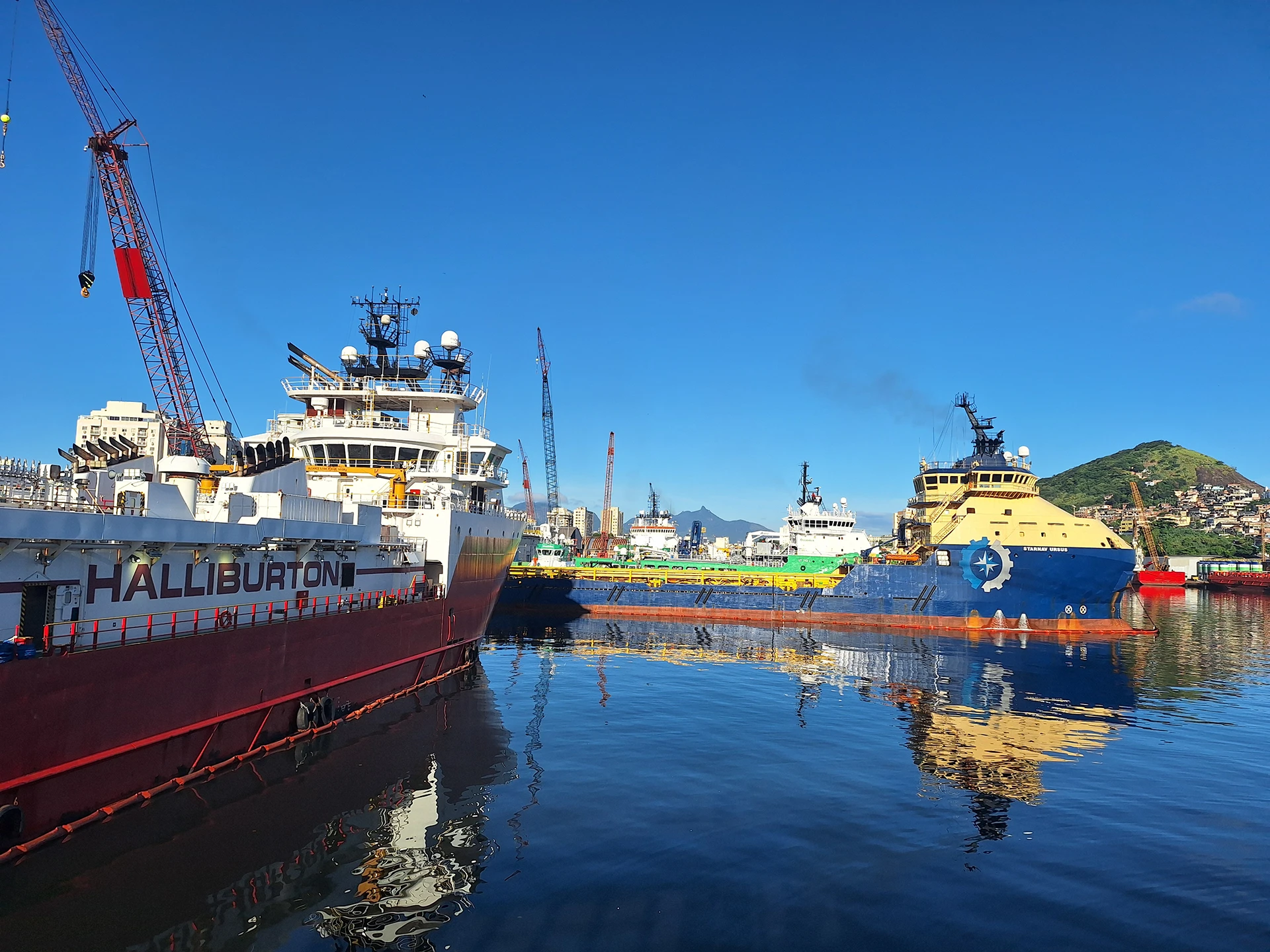
- Offshore support vessels (PSV, AHTS, OSRV) and tugboats
- Operators who must demonstrate, each year, that their systems are operational for customers and for the periodic industry survey
What we check on the ICCP
- Impressed-current anodes: physical state, insulation, and output current of each anode
- Reference electrodes: potential measurement and comparison with a calibrated portable electrode
- Rectifier / Power Unit: Voltages, Currents, Alarms, and Setpoint Adjustment
- Control panel: automatic mode, logs, and alarm history
- Shaft and Rudder Grounding: Continuity and Contact Resistance (Shaft and Rudder Bonding)
- Hull potential: verification that the structure is protected. The reference standard is DNV-RP-B401, which specifies −0.80 V (Ag/AgCl/seawater) as the protective potential for carbon steel. We also verify that the system is not overprotecting, which can damage the paint.
What we check on the MGPS/ICAF
- Copper and aluminum/iron anodes: consumption, applied current, and remaining service life
- Control unit: currents from each anode, alarms, and adjustment based on the saltwater flow rate
- Sea water intakes, filters, and box coolers: signs of scaling or internal corrosion
- Cables and Connections: Insulation and Integrity
Any manufacturer
We service K.C. LTD, Cathelco, and Wilson Walton/Corrpro systems, as well as ICCP and MGPS systems from any other manufacturer.
What you get
- Technical report detailing the conditions found, measurements taken, adjustments made, and photos
- List of preventive maintenance recommendations and parts to be replaced, ranked by priority
- Record to be submitted to the operator, the surveyor, and the classification society during the periodic survey
- Estimate of the remaining service life of the anodes, to plan the next anode replacement
When to do it and how long it takes
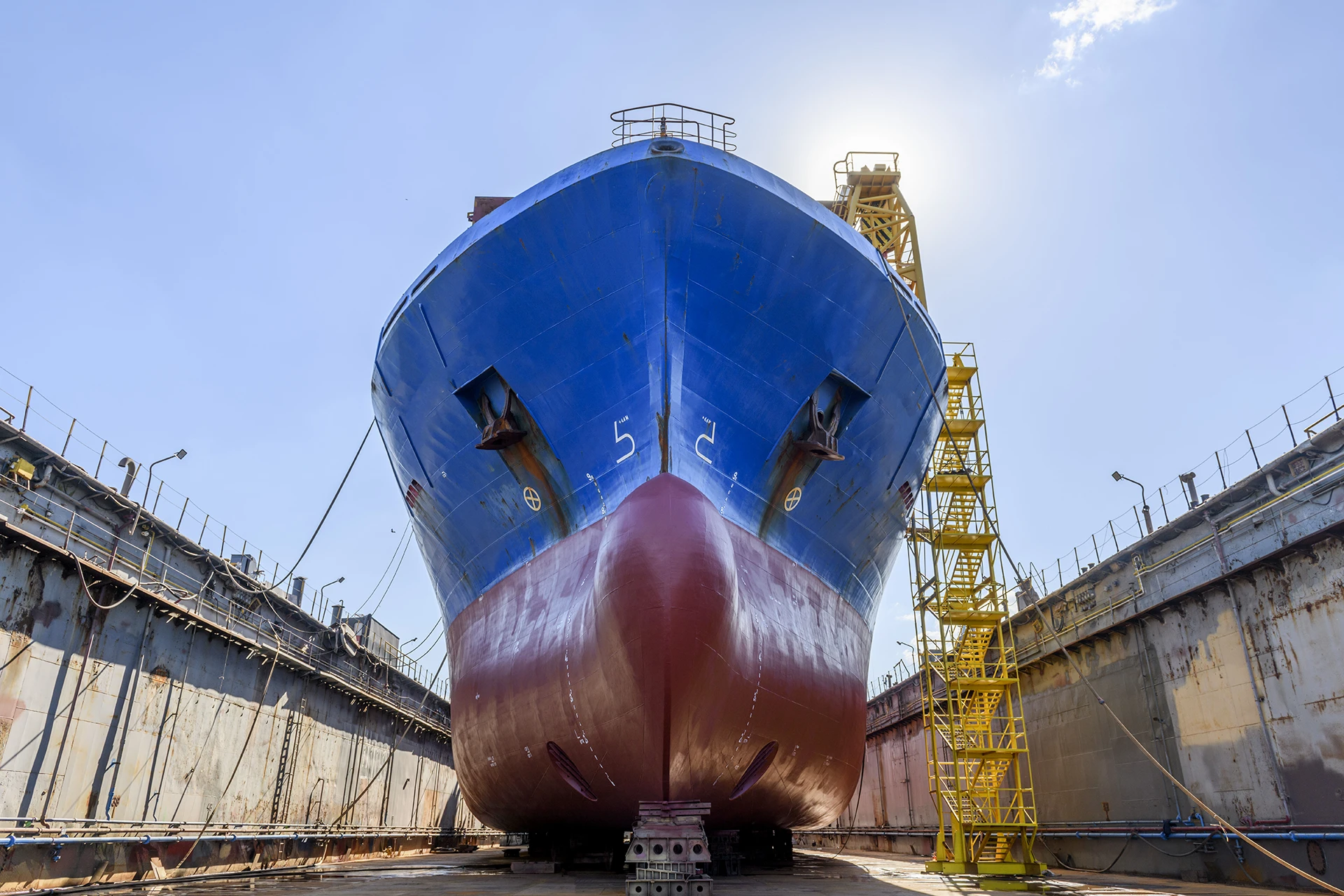
The inspection can be performed while the vessel is in operation, during scheduled maintenance windows, or while the vessel is in dry dock. It takes an average of 4 days, including loading and unloading.
- Schedule your appointment at least 30 days in advance
- If you need to order spare parts, 60 days is ideal. Importing anodes takes about 40 days.
See also: ICCP, MGPS, and reverse osmosis membrane technology.
Why MCP Marine?
- Technical team with more than 16 years of experience in the naval and offshore sectors
- Approved by major operators and shipowners: Petrobras, Transpetro, Foresea, Yinson Production, OceanPact, Tidewater, Wilson Sons, Solstad Offshore, Log-In, Saam Towage, and others
- Technicians with IRATA certification and all applicable NRs and training for offshore assignments
- 24/7 Customer Service in Brazil and the Americas
- Technical reports in the MCP Marine standard
Frequently Asked Questions
Is the annual ICCP review mandatory?
It depends on the contract and the ship’s classification society. Many operators require periodic verification that the ICCP and MGPS are functioning properly, and the periodic class survey evaluates these systems. Even without a formal requirement, an annual inspection is the most cost-effective way to prevent hull corrosion and scaling in the cooling systems.
Does the ship need to dock for the inspection?
No. Internal anodes, rectifiers, panels, reference electrodes, and potential measurements are checked while the vessel is in the water. Dry docking is only necessary to replace hull components that cannot be replaced while the vessel is submerged.
How long does it take?
On average, 4 days, including loading and unloading.
Do you support systems from other manufacturers?
Yes. In addition to K.C. LTD, Cathelco, and Wilson Walton/Corrpro, we service ICCP and MGPS systems from any manufacturer.
What happens if the review finds a problem?
The report identifies the cause and the recommended correction. Adjustments and calibrations are performed on the spot. Parts and repairs are quoted and scheduled, including the replacement of anodes by submersion, without docking: see ICCP Repair and Anode Replacement by Submersion.
Schedule your annual checkup
Contact our technical team: WhatsApp +55 21 99512-0824 · +55 21 2088-8137 · info@mcpmarine.com.br
[Button: Request an annual inspection]
Related links: ICCP Cathodic Protection · MGPS/ICAF Anti-Fouling Systems · MCP Pulse: Remote Monitoring