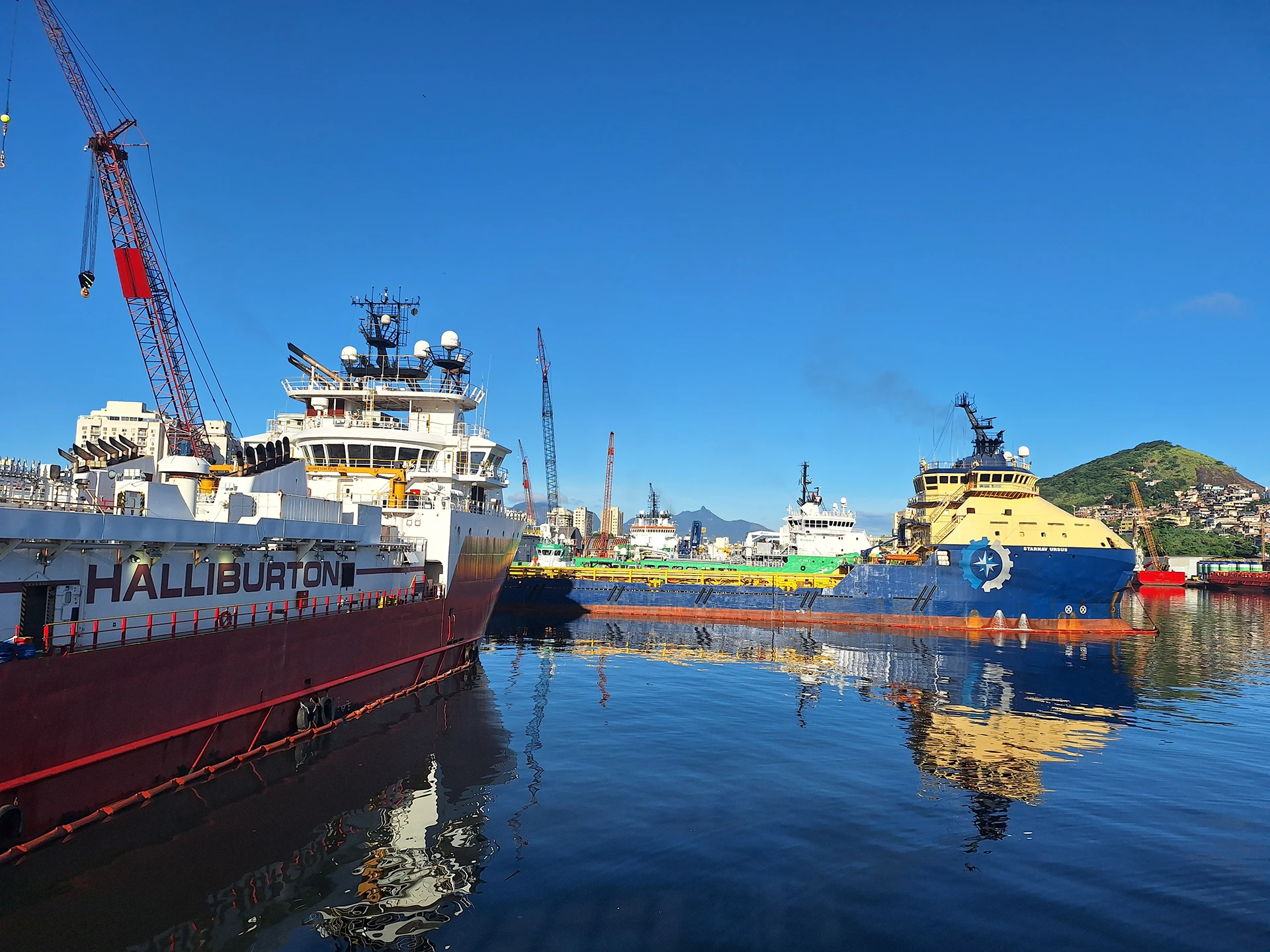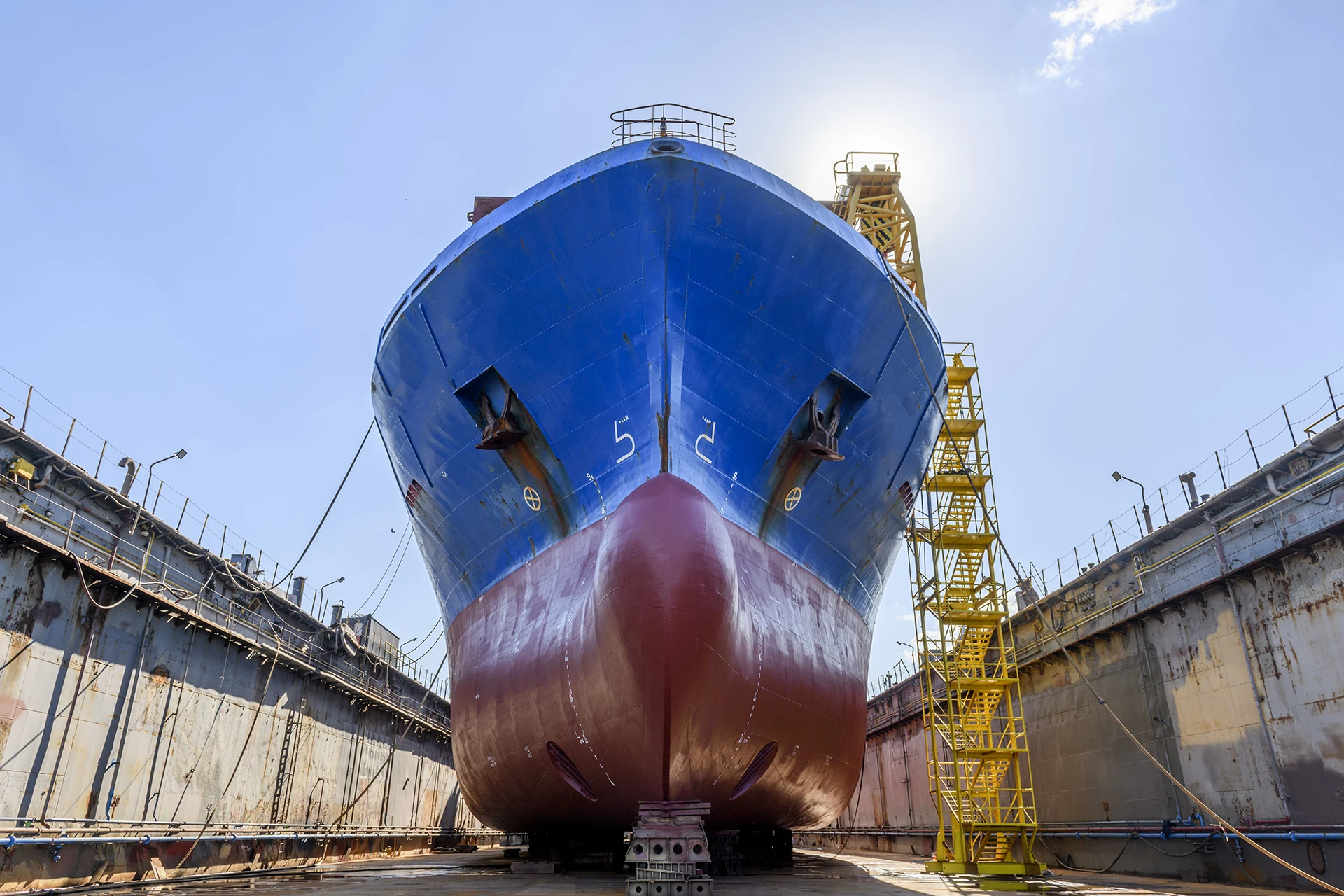


The marine environment is recognized as one of the most aggressive settings for metallic materials. The combination of physical, chemical, and biological factors creates ideal conditions for the initiation and progression of corrosion. In marine structures, the severity of corrosion is directly related to the zone in which the material is located, and it is possible to distinguish four main exposure zones: submerged, tidal, splash, and atmospheric.
The submerged zone corresponds to the portion that is permanently immersed in seawater. In this region, the corrosion rate tends to be more stable and relatively low due to the limited amount of dissolved oxygen. However, the accumulation of biofilms, marine fouling, and sediments can create microenvironments beneath the deposits, promoting localized corrosion processes such as pitting and corrosion under deposits.
The intertidal zone is the region that is alternately submerged and exposed to the air, depending on the movement of the tides. It is considered one of the most critical zones, as it combines intense oxygenation with the presence of concentrated salts during periods of exposure. This constant alternation promotes an accelerated cycle of wetting and drying that intensifies corrosion and promotes the formation of deep pitting and cracks.
The splash zone comprises the portion of the structure that is constantly struck by waves and spray but remains predominantly dry. Here, the continuous presence of salt droplets and the high concentration of oxygen create a highly corrosive environment. In addition, the mechanical impact of the waves can remove protective coatings, exposing the bare metal and triggering rapid degradation processes.
Finally, the atmospheric zone includes those parts of the structure that are not directly exposed to water but are subject to the effects of salt spray and condensation. Although less aggressive than the lower zones, this region is also subject to corrosion, especially when there are deficiencies in the paint system or areas where moisture can accumulate.
In addition to the physical characteristics of each zone, other environmental factors also influence the corrosiveness of the environment, such as:
- Water and Air Temperature
- Local salinity
- Speed of ocean currents
- Degree of pollution (presence of sulfur compounds or ammonia)
- Marine Microbiology (sulfate-reducing bacteria)
A thorough understanding of these areas and the conditions that accelerate corrosion is essential for the proper design of protective systems, material selection, and inspection planning. Next, we will explore the specific corrosion mechanisms at work in these environments and the types of failures commonly observed.
Uniform corrosion
It is the most common type and, in general, the most predictable. It occurs when the metal surface undergoes uniform degradation, with a continuous loss of thickness over time. Although it can be controlled through corrosion rate and overthickness calculations, uniform corrosion can become critical when there is no continuous monitoring or when design data do not reflect actual environmental conditions.
Localized corrosion (pitting)
This is one of the most dangerous mechanisms, as it causes the formation of small, deep pitting that is difficult to detect visually. Pits can rapidly penetrate the thickness of the material, causing abrupt failures. They are more common in areas with salt deposition, the presence of solid deposits, or anaerobic microenvironments, such as in the intertidal zone and under biofilms.
Galvanic corrosion
It occurs when two metals with different electrochemical potentials are in electrical contact in a conductive medium, such as seawater. The less noble metal (anode) undergoes accelerated corrosion, while the more noble metal (cathode) is protected. This type of corrosion is common at connection points between dissimilar materials, for example, carbon steel bolts in stainless steel structures, or aluminum brackets attached to steel pipes.
Hydrogen-induced stress corrosion cracking (HE-SCC)
This mechanism combines chemical corrosion and mechanical stresses, leading to the formation of stress-corrosion cracks. In the marine environment, atomic hydrogen (generated by cathodic reactions or reducing microorganisms) can diffuse into the metal and cause embrittlement. This is of particular concern in critical fasteners, such as bolts, load-bearing supports, and welds, where residual stresses and hydrogen coexist.
Corrosion-Erosion
This phenomenon occurs when fluids flow at high speeds over a metal surface, such as in piping systems or subsea pipelines. Friction removes the natural protective layers or coatings, exposing the metal to corrosion. It is common in pipe bends, valves, fittings, and areas of turbulence.
Corrosion Under Deposits and Biofouling
The deposition of particles or the growth of marine organisms on a metal surface creates distinct environments where oxygen is consumed more rapidly, forming differential corrosion cells. This promotes both localized corrosion and the acceleration of general corrosion at the interfaces between covered and uncovered areas.
Each of these mechanisms can act alone or in combination, exacerbating the process of structural deterioration. Early detection and accurate characterization of the type of corrosion involved are essential for the success of corrective actions and for the development of effective prevention strategies.
Corrosion in offshore structures is not merely a matter of material degradation; it represents a systemic risk that compromises operational performance, drives up costs, and jeopardizes the safety of people, the environment, and industrial assets. Below, we explore the main consequences observed in practice.
Loss of structural integrity
The weakening of metal components due to progressive loss of thickness or the formation of corrosion cracks can compromise the stability of structures, piles, tanks, walkways, and other critical parts of the infrastructure. This can result in deformations, partial collapses, or catastrophic failures, especially when corrosion occurs locally and silently, without obvious visual signs.
Operational disruptions and increased costs
Undetected or poorly monitored failures often lead to the need for emergency shutdowns for repairs, which directly impact production. On oil platforms, for example, this can mean millions of dollars lost per day. Furthermore, the cost of corrective repairs—which involve complex logistics (support vessels, divers, cranes, ROVs)—is significantly higher than that of preventive measures.
Risks to human and environmental safety
Structures compromised by corrosion pose a real danger to workers’ lives. Collapses of walkways, failures of stairways, explosions caused by leaks from corroded tanks, and partial collapses are just a few examples of documented incidents. Furthermore, corrosion in pipes and tanks can lead to the leakage of hazardous substances into the ocean, resulting in severe environmental impacts and legal penalties for operators.
Reduction in the useful life of assets
When not effectively addressed, corrosion accelerates the obsolescence of structures. Vessels that could otherwise operate for decades become economically unviable after just a few years of service, requiring premature replacement or decommissioning. This creates a cycle of unplanned investments, shortening the return on invested capital.
Corporate Image and Operational Reliability
Companies that face recurring failures related to corrosion may suffer reputational damage and lose their competitive edge in bids and contracts. In addition, offshore field operators are frequently audited by regulatory agencies and insurers, which penalize the lack of integrity monitoring by imposing more expensive insurance policies or operational restrictions.
Financial indicators of impact
Studies by NACE International estimate that the global cost of corrosion exceeds $2.5 trillion per year, with approximately 20% of that amount related to the oil, gas, and maritime transportation industries. The good news is that, according to the same studies, more than 30% of these costs can be avoided through systematic prevention strategies.
These impacts demonstrate that corrosion must be addressed not only as a technical problem, but as a strategic factor that requires robust integrity policies and consistent investments in preventive engineering.
Given the harsh nature of the marine environment and the high cost associated with structural failures, corrosion control in offshore structures requires an integrated approach that combines technology, continuous monitoring, and strategic planning. Prevention is always more effective—and more cost-effective—than remediation. Below, we present the main strategies adopted in the industry:
Cathodic protection
One of the most widely used techniques for submerged structures, cathodic protection involves reducing the electrochemical potential of the base metal, making it cathodic and, therefore, resistant to oxidation. There are two main methods:
- Galvanic system (sacrificial anodes): This system uses more reactive metals, such as zinc or aluminum, which corrode in place of the structure being protected. These systems are simple, self-contained, and low-maintenance, and are widely used on piles, tanks, and pipelines.
- Impressed Current Cathodic Protection (ICCP): uses an external power source to apply a controlled current between an inert anode and the metal structure. It is ideal for large areas or complex structures, allowing for fine-tuning of the protection.
Coatings and Industrial Painting
The application of anti-corrosion coating systems is essential, especially in atmospheric, splash, and tidal zones. The most effective coatings combine zinc-rich epoxy primers, barrier intermediate coats, and UV- and weather-resistant topcoats. Proper application—including surface preparation, uniform film thickness, and inspections—is crucial to the system’s durability.
Selection of Materials
Whenever possible, selecting corrosion-resistant metal alloys is an important preventive measure. Stainless steels, nickel alloys, or titanium alloys, for example, offer greater resistance in highly aggressive environments, although at a higher initial cost. In critical fasteners (such as bolts and structural supports), replacing carbon steel with higher-grade alloys can prevent failures due to HE-SCC and pitting.
Predictive Maintenance and Asset Integrity Management
Risk-based maintenance programs (RBIM) assess criticality, probability of failure, and consequences, prioritizing the most vulnerable assets. Periodic inspections, recoating, scheduled replacement of anodes, and upgrading of protection systems are essential steps to ensure the integrity of the structure throughout its life cycle.
Training and a Culture of Preventive Maintenance
Finally, the effectiveness of any anti-corrosion strategy depends on the training of the teams involved. From design through operation and maintenance, all professionals must understand the risks of corrosion and the available prevention methods. Adopting international standards (such as ISO 12944, DNV-RP-B401, and NACE SP0169) strengthens the culture of integrity and reduces technical errors.
When implemented in a planned and integrated manner, these strategies result in increased operational reliability, a longer asset lifespan, and significant cost savings over time.
Finally, corrosion in offshore structures is an inevitable process, but not an uncontrollable one. Although silent and gradual, it can compromise not only the integrity of critical assets, but also the safety of operations, the environment, and the economic viability of offshore projects. As demonstrated throughout this text, marine environments subject metallic materials to extremely harsh conditions, requiring engineering strategies to take into account each exposure zone and each type of stress involved.
Effective corrosion management requires a multidisciplinary approach involving materials engineers, designers, inspectors, operators, and managers. The adoption of solutions such as cathodic protection, high-quality coatings, continuous monitoring, and predictive maintenance should not be viewed as a cost, but rather as a strategic investment in operational continuity and long-term safety.
Bibliographic reference:
MOSES, David. Corrosion Impact of Offshore Platforms, Structures, and Vessels. Materials Performance, NACE International, Houston, Nov. 2020.